


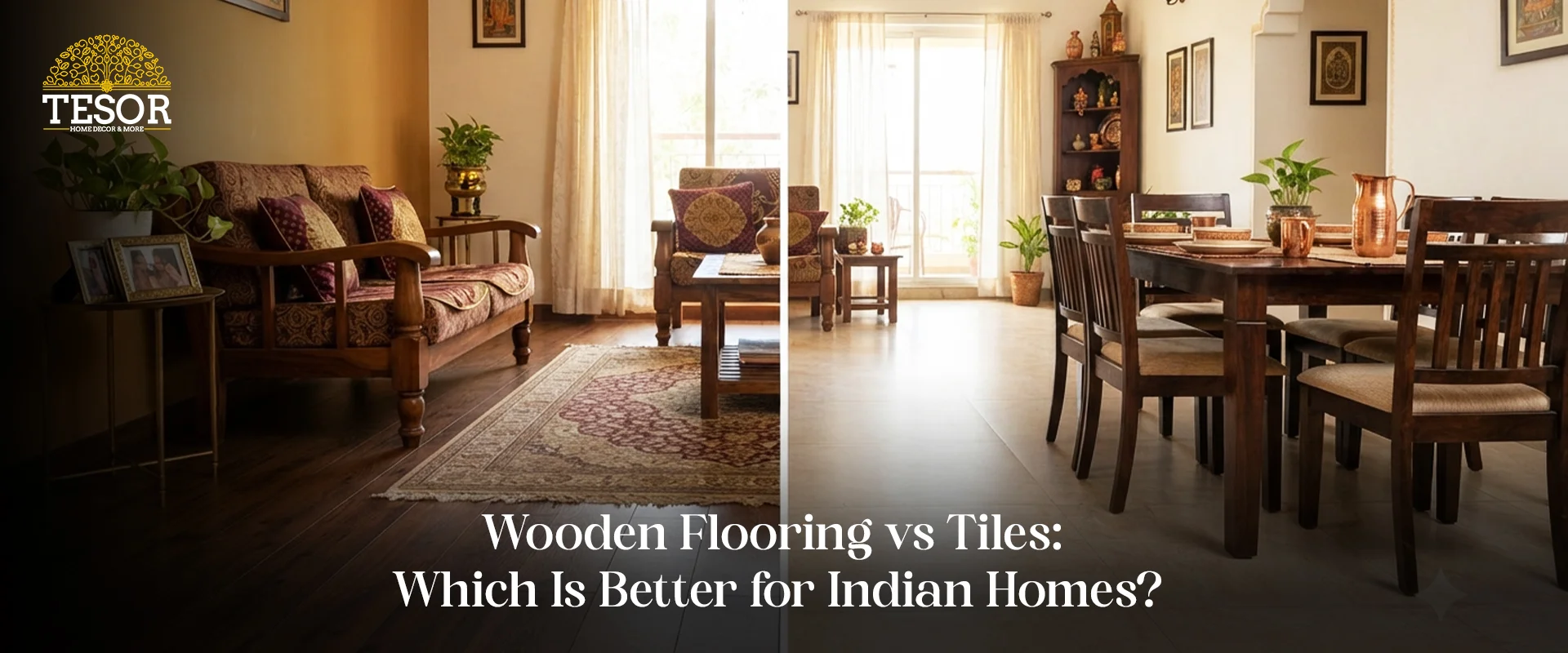
Wooden Flooring vs Tiles: Which Is Better for Indian Homes?
Choosing the right flooring can significantly influence how a home looks, feels, and performs over time. Among the many flooring options for Indian homes, wooden flooring and tiles remain two of the most popular choices. While tiles are known for durability and easy maintenance, wooden flooring brings warmth, comfort, and a refined aesthetic to interiors.
But when it comes to wooden flooring vs tiles, which option is better for Indian homes?
The answer depends on the room, climate, lifestyle, maintenance preferences, and overall interior design. Understanding the differences can help you make a practical choice without compromising on style.
Wooden Flooring vs Tiles: What Is the Difference?
Wooden flooring and tiles offer very different experiences underfoot and visually.
Wooden flooring creates a warm, natural appearance and can make bedrooms, living rooms, and other spaces feel more inviting. Modern flooring options are also available in different colours, textures, patterns, and finishes, making them suitable for contemporary as well as classic interiors.
Tiles, on the other hand, are extremely versatile. They are available in ceramic, porcelain, vitrified, and other varieties, with designs that can replicate stone, wood, marble, and other materials.
Here is a quick comparison:
| Factor | Wooden Flooring | Tiles |
| Appearance | Warm and natural | Wide range of designs |
| Comfort | Warmer and softer underfoot | Harder and cooler |
| Moisture resistance | Depends on flooring type | Generally high |
| Maintenance | Requires appropriate care | Relatively easy |
| Design appeal | Premium, elegant look | Highly versatile |
| Best suited for | Bedrooms, living rooms | Kitchens, bathrooms, high-moisture areas |
What Are the Benefits of Wooden Flooring?
One of the biggest wooden flooring benefits is the warmth it adds to an interior. Unlike hard, cold surfaces, wood-inspired flooring can create a more comfortable atmosphere, particularly in bedrooms and living areas.
Other benefits include:
- Timeless appearance: Wood has a natural character that works with a variety of interior styles.
- Visual warmth: Wooden tones can make rooms feel more welcoming and comfortable.
- Design flexibility: Different shades, textures, patterns, and finishes allow homeowners to match their flooring with furniture and décor.
- Comfort: Wooden surfaces generally provide a warmer feel underfoot compared with tiles.
- Premium appearance: Wood flooring can give an interior a sophisticated and finished look.
For homeowners who want their flooring to contribute strongly to the overall design of a room, wooden flooring can be an attractive choice.
What Are the Advantages of Tiles?
Tiles remain a practical option for many Indian households because of their durability, versatility, and relatively simple maintenance.
They are particularly useful in areas where floors are regularly exposed to water, spills, dirt, or heavy foot traffic. Kitchens and bathrooms, for example, generally benefit from flooring with good moisture resistance.
Tiles also provide enormous design freedom. From subtle neutral surfaces to bold patterns and marble-inspired finishes, homeowners can find options to suit almost any décor.
Their main advantages include easy cleaning, moisture resistance, durability, and availability across a wide range of price points and designs.
Is Wooden Flooring Suitable for Indian Homes?
Yes, wooden flooring for Indian homes can be a practical choice when the right product is selected and installed correctly.
India has diverse climatic conditions, including high humidity, heavy monsoons, and significant temperature variations in some regions. Therefore, flooring should be selected according to the local environment and intended room.
The type of wooden flooring also matters. Quality, construction, installation method, and moisture protection can all affect long-term performance.
For areas that frequently encounter standing water or excessive moisture, tiles may be the safer choice. For relatively dry areas such as bedrooms, living rooms, studies, and other interior spaces, wooden flooring can offer an excellent combination of aesthetics and comfort.
Which Is Easier to Maintain: Wooden Flooring or Tiles?
Tiles generally have an advantage when it comes to straightforward maintenance. Most tiled surfaces can be cleaned with regular sweeping, vacuuming, or mopping.
Wooden flooring requires a little more attention. Excess water should generally be avoided, spills should be addressed promptly, and cleaning products should be appropriate for the flooring material.
However, modern wooden flooring is designed with everyday residential use in mind. Following the manufacturer’s cleaning and maintenance recommendations can help preserve its appearance for years.
Which Flooring Is Better for Different Rooms?
There is no single flooring solution that works perfectly for every room. The best choice depends on how the space is used.
| Room | Suitable Choice | Why |
| Living Room | Wooden flooring / Tiles | Depends on design and lifestyle |
| Bedroom | Wooden flooring | Warm and comfortable |
| Kitchen | Tiles | Better suited to moisture and spills |
| Bathroom | Tiles | High moisture resistance |
| Dining Area | Either | Depends on usage and design |
| Balcony | Outdoor-rated tiles | Better suited to weather exposure |
This room-by-room approach is often more practical than choosing one material for the entire house.
How Much Do Wooden Flooring and Tiles Cost?
The cost of flooring depends on several factors, including material quality, design, brand, installation requirements, and the size of the area.
Tiles are available across a broad price range, making it possible to find options for different budgets. Wooden flooring can have a higher initial cost depending on the material and installation method, but homeowners should also consider its aesthetic value, comfort, and expected lifespan.
Instead of comparing only the price per square foot, consider the total cost of ownership, including installation, maintenance, repairs, and replacement.
What Are the Popular Flooring Options for Indian Homes?
Homeowners today have more choices than ever. Common flooring options for Indian homes include:
- Wooden flooring
- Vitrified and porcelain tiles
- Ceramic tiles
- Natural stone
- SPC flooring
- Luxury vinyl flooring
Each material has its own strengths. The right option depends on the home’s climate, room usage, budget, maintenance expectations, and interior style.
How to Choose the Right Flooring for Your Home
Before making a decision, consider these factors:
Climate: Humid and high-moisture environments require greater attention to moisture resistance.
Room usage: Bedrooms and living rooms have different requirements from kitchens and bathrooms.
Foot traffic: High-traffic areas need flooring that can withstand regular use.
Maintenance: Consider how much time you want to spend cleaning and maintaining the floor.
Interior design: Choose a finish that complements your furniture, walls, doors, and overall décor.
Budget: Look beyond the initial purchase price and consider installation and long-term maintenance.
Wooden Flooring vs Tiles: Which Should You Choose?
So, when comparing wooden flooring vs tiles, neither is universally better. Tiles can be the more practical option for bathrooms, kitchens, balconies, and areas exposed to moisture. Wooden flooring, meanwhile, can be an excellent choice for bedrooms, living rooms, and spaces where warmth, comfort, and a premium appearance are priorities.
The best flooring is ultimately the one that matches your home’s requirements while complementing your personal style. With the right product and installation, both options can create attractive and functional interiors.
FAQs
Is wooden flooring good for Indian homes?
Yes. Wooden flooring can work well in Indian homes when the appropriate flooring type is selected for the climate and room, and when it is installed and maintained correctly.
Is wooden flooring more expensive than tiles?
It can be, depending on the type and quality of flooring chosen. However, the overall value should be assessed based on durability, appearance, maintenance, and installation costs.
Which is better for bedrooms, wooden flooring or tiles?
Wooden flooring is often preferred for bedrooms because it creates a warmer, more comfortable, and inviting atmosphere.
Are tiles better than wooden flooring for bathrooms?
Generally, yes. Bathrooms are exposed to frequent moisture and water, so moisture-resistant flooring such as suitable tiles is usually more practical.
How do I maintain wooden flooring?
Regularly remove dust and dirt, clean spills promptly, avoid excessive water, and follow the flooring manufacturer’s recommended cleaning and maintenance guidelines.